The Night of Lord Shiva’s Divine Grace
“Great Night of Shiva” Maha Shivaratri is a most important Hindu festival of Lord Shiva, the deity who is referred to as the destroyer and transformer in the Hindu Trinity (Trimurti). It is observed every year on the 14th day of the dark fortnight of the Falgun month. Maha Shivaratri is a unique night of fasting, worship, and devotion. This evening is of tremendous religious and spiritual importance to millions of individuals across the world, particularly in places like Nepal, India, and other regions of the world where residents are Hindus.
Historical and Mythological Significance
Maha Shivaratri has a profound connection to mythological times of ancient Hindu belief. Different stories are attached to this evening that reflect on Lord Shiva’s significance and extraordinary powers.
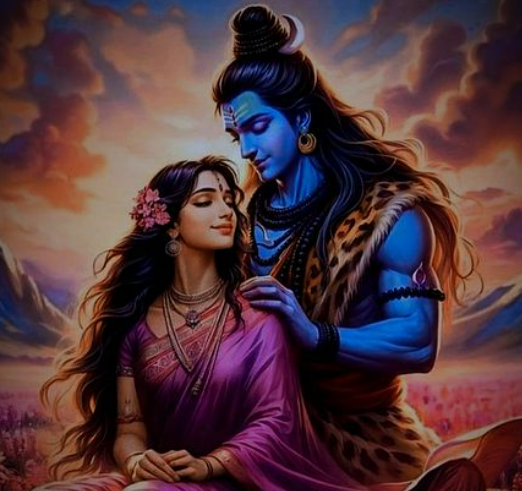
- The Marriage of Shiva and Parvati: In one myth, Maha Shivaratri is observed as the wedding day of Lord Shiva and Goddess Parvati. The union of the two greatest forces—Shiva, the destroyer, and Parvati, the goddess of love and fertility—is the embodiment of the ultimate concordance of opposites, such as creation and destruction, joy and sorrow, or the material and spiritual worlds.
- The Neelkanth Day (Blue Throat): The second major myth is the one about the churning of the sea (Samudra Manthan) by demons and gods to find the nectar of immortality. While the churning was taking place, a cauldron of poison appeared that would destroy the world. Lord Shiva consumed the poison to protect creation, and his throat became blue from it. Maha Shivaratri is a remembrance of the memory of Shiva’s self-burning to protect the world.
- The Night of Spiritual Awakening: Spiritually, Maha Shivaratri is believed to be the day on which Lord Shiva danced the cosmic dance of creation, preservation, and destruction. According to others, it is the night when Lord Shiva was most active, and his energy is plentiful on this holy day.
Why Maha Shivaratri is Celebrated:
Maha Shivaratri is being observed to honor Lord Shiva and his divine attributes. The individuals believe that by keeping fasts, prayers, and remaining awake throughout the night on this day, the devotees attain spiritual growth and cleansing. It is said to be a time when spiritual practice such as meditation, recitation of mantras, and becoming one with the divine is doubly potent.
The followers believe that they can attain peace, happiness, and liberation (moksha) by witnessing the ceremonies and offerings to Lord Shiva. The day is also viewed as an opportunity to transcend ignorance and ego so that humans can achieve self-realization.
Significance of Maha Shivaratri in Nepal and Beyond
In Nepal, Maha Shivaratri holds exceptional cultural and religious importance. As the birthplace of Lord Shiva’s consort, Goddess Parvati, and with thousands of temples dedicated to Shiva across the country, the festival is a grand occasion. The capital city, Kathmandu, is particularly vibrant during this time, with devotees flocking to famous temples like Pashupatinath, one of the holiest Hindu temples dedicated to Lord Shiva. The temple complex becomes the center of celebrations, attracting thousands of devotees from all corners of Nepal and neighboring countries like India.
On Maha Shivaratri , people in Nepal typically observe a day of fasting and a night of prayers, chanting the sacred mantra “Om Namah Shivaya,” which is believed to bring peace and remove obstacles from one’s life. Offerings of fruits, flowers, and sacred bel leaves are commonly made at temples. Pilgrims often light oil lamps (diyas) as a sign of devotion to Lord Shiva. Many devotees also gather to participate in a special night-long vigil known as the “Shiva Ratri Jagran,” where they sing hymns and offer prayers to invoke Lord Shiva’s blessings.
Beyond Nepal, Maha Shivaratri is also widely celebrated in India, where it is considered one of the most important festivals for Hindus. In cities like Varanasi, Haridwar, and Somnath, temples are filled with devotees who observe fasting and perform rituals throughout the night. Devotees from other countries, especially those with large Hindu communities, such as Mauritius, Trinidad and Tobago, Fiji, and Indonesia, also participate in Maha Shivaratri celebrations with great devotion, often with elaborate processions, prayers, and music.
The festival has become a spiritual event for people of Hindu faith across the world, serving as a reminder of Lord Shiva’s transformative powers and the spiritual journey towards self-realization.
Customs and Rituals of Maha Shivaratri
- Fasting: Observing a fast is considered one of the most important customs on Maha Shivaratri. Devotees refrain from consuming food and water throughout the day, followed by a special night of chanting mantras and prayers.
- Night Vigil: Devotees stay awake throughout the night to offer prayers and reflect on Lord Shiva’s divine qualities. They chant mantras, sing bhajans, and listen to stories about Lord Shiva’s life.
- Offering Bilva Leaves (Bel): One of the most significant offerings to Lord Shiva is the bilva (bel) leaf. It is believed that offering the leaf to Shiva helps remove all sins and brings prosperity.
- Temple Visits: Temples dedicated to Lord Shiva are visited, and sacred rituals such as the bathing of the Shiva Lingam with milk, honey, and water are performed. Many temples host special prayers, yajnas (fire rituals), and processions.
- Spiritual Discourses: Spiritual leaders and gurus conduct discourses on Lord Shiva’s teachings during Maha Shivaratri. These discourses help devotees understand the deeper significance of Lord Shiva’s philosophy and his teachings on meditation, self-realization, and the universe.
Conclusion: A Night of Inner Transformation
Maha Shivaratri is not just a night of religious observance; it is a celebration of the divine energy that governs the universe and a call for self-reflection. The practices observed on this sacred night are designed to purify the mind, body, and soul. As people around the world pray for peace, prosperity, and spiritual growth, they also honor the eternal truth that life is a cyclical process of creation, preservation, and destruction, much like Lord Shiva himself.
In Nepal, where devotion to Lord Shiva is particularly deep-rooted, Maha Shivaratri remains a day of immense cultural, spiritual, and emotional significance. For Hindus and devotees worldwide, this night serves as a reminder that true peace and liberation lie in the union of the individual soul with the divine—a teaching that Lord Shiva embodies through his actions and presence.
May this Maha Shivaratri bring blessings, light, and transformation to all!
Om Namah Shivaya!
Leave a Reply